
Global Digital Wallet Adoption Trends
Digital wallets are constantly integrating new innovations to make payment methods more convenient and secure for both customers and platforms.
Until recently, being a new payment method could lead to regulatory uncertainty, but now, thanks to regulatory updates in developed countries like the US, China, and the UK, fintech startups in this field face fewer legal challenges.
Many different platforms continue to compete fiercely to offer their users numerous “digital wallet adoption trends,” which are increasing their user base daily. It is known that more than half of online payments will be managed through digital wallets by 2025.
Furthermore, this payment method, which is compatible with new asset classes like cryptocurrencies, also implements a multifaceted service approach integrated with traditional banking systems.
Therefore, many online payment platforms around the world are working to create digital wallet adoption trends and expand their user base in this way. Industry leaders such as Alipay, WeChat Pay, Apple Pay, and Google Pay distinguish themselves with different features.
Different digital wallet providers are gaining increasing interest in different parts of the world. While Apple Pay is the industry leader in some countries, others use digital wallet applications developed by local banks or financial platforms.
This digital transformation requires not only changes in user habits but also in the payment infrastructure of commercial platforms and stores, enabling payments with digital wallets.
I anticipate that this transformation will be completed in both physical and online stores in almost every country in the near future.
What Digital Wallet Adoption Trends Reveal About User Behavior?

An examination of digital wallet adoption trends in today’s markets yields impressive findings about user behavior. Among the most important are customer expectations of speed, their desire for convenience, and, of course, their shift toward low-cost payment methods.
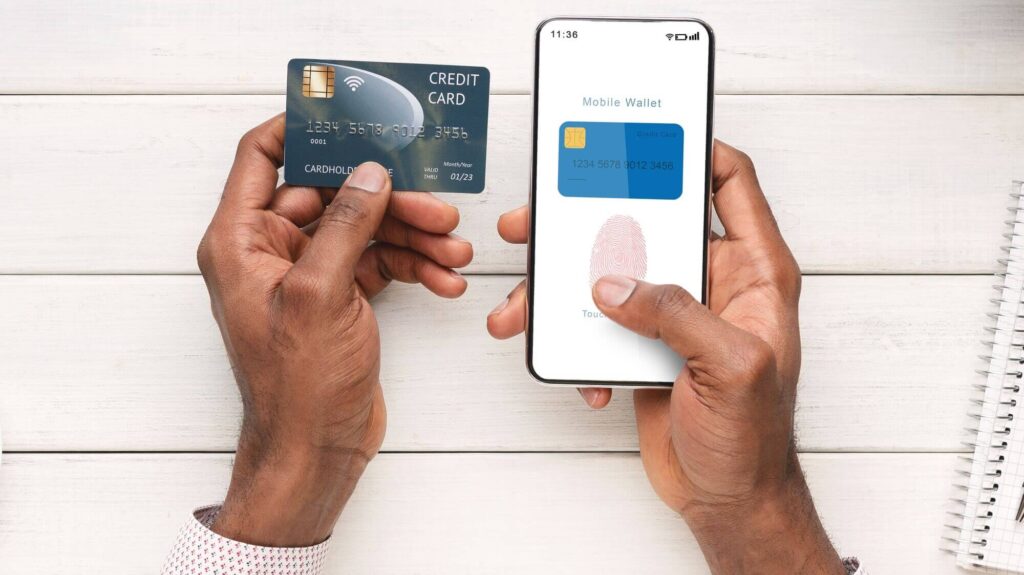
Contactless payment, which has become widespread in nearly all brick-and-mortar stores in recent years, provides a suitable infrastructure for payments made via digital wallets. With contactless payments, customers can easily complete their payments quickly and easily.
Furthermore, they don’t have to carry a physical card for payment. Research and surveys conducted around the world reveal that individuals’ cash usage behaviors are undergoing radical changes due to digital wallet adoption trends.
In the vast majority of developed European cities, digital wallet applications are even preferred for urban transportation. Users’ desire for faster and more convenient payment processes has become a primary focus of fintech research in this area.
How Global Digital Wallet Adoption Trends Are Shaping Payments?
It’s safe to predict that digital wallet adoption trends will lead to permanent changes in payment methods. Thanks to this innovative payment method, which is growing in popularity and usage, contactless payment is becoming a standard payment method for users of all income levels.
POS devices used in traditional payment methods are being eliminated, and users can complete their payments with just a single QR code.
This eliminates additional costs for both merchants and users. The UPI system, actively used in India, is a prime example of how digital wallet adoption trends can transform customer payment methods.
This system allows individuals from all demographics to securely and quickly make daily purchases with just a mobile phone. The spread of digitalization in all areas will usher in a digital world of increasing globalization.
The adoption of innovative financial products like “digital wallet adoption trends” as mainstream payment methods by society may not be complete in the near future. However, it’s not hard to predict that people will manage all their financial needs and payments with digital wallets in the future.
Users can even continue paying bills with these types of digital wallet apps. Many countries have not yet contributed to urban transportation pricing through such apps.
Digital Wallet Adoption Trends In Emerging Markets
Digital wallet services are also gaining traction in developing markets. In countries where banking services are not equitably accessible to everyone, digital financial products facilitate the practical implementation of the principle of financial inclusion.
Some examples include:
- Kenya: In Kenya, one of the countries with the highest number of unbanked people, people manage all their payments digitally through the M-Pesa system.
- India: India, known for its successful projects in software, finance, and fintech, also boasts a wide variety of digital wallet providers. This has significantly reduced cash usage in the country in recent years.
- Brazil: Despite being one of the world’s major economies, this country, which faces high income inequality, has a digital wallet network that is freely accessible to everyone, using the “PIX” system.
However, the fact that many platforms are launching new digital wallet products and services every day is fundamentally changing the competitive landscape.
For example, in African countries, people are not interested in digital or traditional financial services and instead continue to pay only with cash, making adoption difficult. Financial literacy has many similar definitions. Simply put, financial literacy is the level of financial knowledge.
Examining the definitions presented so far, financial literacy broadly refers to individuals’ ability to make decisions about managing their resources, payments, debts, savings, and budgets.
Security Innovations Driving Digital Wallet Adoption Trends
Cybersecurity is a key concern for almost all digital payment methods. Therefore, many digital wallet providers from different countries are working to ensure security and create seamlessly functioning ecosystems.
Recent trends in digital wallet adoption aimed at ensuring cybersecurity include:
- Diversification of biometric verification methods
- Development and increased adoption of tokenization technology
- Secure enclave projects
The Role Of Banks In Global Digital Wallet Adoption Trends

Although digital payments, digital wallets, and innovations are often considered independent of traditional banking networks and their participants, banks also play a significant role in this transformation process.
Today, a large number of global banks have established dedicated departments for digital wallet adoption trends. Many traditional banking institutions are developing their own digital wallets.
Furthermore, the number of banks collaborating with fintech companies is increasing daily, and projects are being developed to integrate digital wallets with networks like Visa and Mastercard.
If traditional banks had not made positive contributions to this digital transformation process and dedicated resources and energy to it, widespread adoption of digital transformation would have been impossible.
For example, the fact that all banks in the US offer integrated services with Apple Pay is a prime example of how this transformation progresses through collaboration between both traditional banks and digital finance platforms.
How Digital Wallet Adoption Trends Influence Retail Payments?
We know that digital wallet adoption trends have many efficiency benefits directly impacting retail payment processes. Traditional retail payment methods can involve lengthy procedures for both businesses and customers.
However, today, large supermarkets and chain restaurants are developing apps for retail payments. For example, at Starbucks, one of the world’s most popular coffee shops, you can create a digital balance through the app and complete your coffee payments with a QR code through the digital wallet offered there.
This shortens checkout times, reduces cart trekking, and increases customer repeat visits.
Key Challenges Slowing Digital Wallet Adoption Trends Worldwide
Unfortunately, the journey toward becoming the desired global major payment method for digital wallet adoption presents challenges. While some countries are developing better projects to address these challenges, others still have a long and arduous path.
Common challenges faced by platforms in the process of public acceptance of this payment method can be listed as follows:
- Security concerns must be paramount, as, as with any digital financial process, the perception that digital wallets pose greater risks to asset protection than traditional banks has not yet been dispelled, making adoption difficult.
- Lack of digital literacy is another significant challenge. In African countries, in particular, the lack of interest in financial services poses a significant barrier to the widespread adoption of digital wallets.
- Inadequate internet and digital infrastructures
- Lack of up-to-date regulations addressing current technologies
Digital Wallet Adoption Trends Among Gen Z And Millennials
Individuals from different generations exhibit differences in their approaches to digital payment methods and digital wallet adoption trends. Today, Generation Z’s adoption of digital payment methods has progressed much faster than other generations.
When examining the financial transaction habits of individuals from Generations Z and Y, we see that they prefer not to carry cash. This leads them to conduct their daily payments digitally.
It’s known that almost all individuals from these two generations manage their banking needs, payments, and transfers via mobile apps without physically visiting a bank branch.
Today, many people, regardless of age, education level, or income, trade in the financial markets. The majority of Generation Z, currently 25 years old and a focus of research in recent years, are still in education but have not fully participated in the workforce.
Therefore, Generation Z is believed to lack sufficient financial freedom and financial income. However, finance is not a field that only concerns experts in the field. Finance concerns all segments of society, from children to the young and the elderly.
However, it would be fair to say that it should primarily concern children and young people. Proper financial knowledge and attitudes learned in childhood and adolescence will enable individuals to engage in sound financial behavior in the future.
Having a user profile suitable for adaptation also facilitates their exposure to new asset classes.
When examining the demographics of investors in cryptocurrency exchanges today, it’s clear that the vast majority of users are Generations Y and Z. Numerous digital wallet apps operating globally make it easier for individuals under the age of 18 to access financial services.
The Impact Of Regulation On Digital Wallet Adoption Trends
The rapid adoption of any digital finance innovation or fintech product directly depends on its compliance with regulations.
Unfortunately, many fintech products and services that offer excellent solutions to users’ financial needs are ultimately discontinued due to their inadequate service and policy compliance with existing regulations.
In recent years, projects and studies have been underway in the European Union to update regulations for various areas such as digital finance, cryptocurrencies, and digital wallets. Thanks to PSD2, open banking has become popular across all EU countries.
Because people in the Generation Z age group live alongside people of different ethnicities in the cosmopolitan environment of urban life, they view languages, religions, races, and diverse thought styles with a more respectful perspective than other generations.
Thanks to developing technology, unlike previous generations, Generation Z can easily learn about different cultures, sociological structures, and traditions(things some in the most remote corners of the world consider worthless and unimportant)through the internet and social media.
As a result, Generation Z can be said to be more sensitive and mindful of global values, norms, and the environment. The more active and engaged sense of responsibility of Generation Z individuals, with their heightened sensitivity and sensitivity, is reflected in various impacts on the global stage.
For example, Generation Z is much more likely to participate in international nature- or climate-themed petitions compared to other generations. This is because Generation Z places a significant emphasis on climate and nature-related causes.
This, in turn, has led to the emergence of young activists of various ages from within Generation Z. Another example is being implemented in China to facilitate the digital wallet adoption trends.
The Chinese government is attempting to ensure fairness within the market by proposing restrictions on the commercial operations of large fintech companies.
Future Outlook For Global Digital Wallet Adoption Trends
I predict that the adoption of digital wallets will not be a problem in the future, and that they will become the major payment method.
When examining current projects, investments, and startups in this field, it becomes clear that in the near future, even paying with cash or a traditional bank card will be considered outdated.
Thanks to digital wallets offering multi-asset wallets, people will be able to use a single account for all their payment transactions. With the development of AI-powered products and services, financial platforms will be able to offer customized tools for each user.
We know that both QR and NFC payment tools are still used in payment processes today. However, we don’t overlook the potential for even faster and more practical methods to be developed in the future.
With digital identity (eID) integrations already underway in some countries, this payment method will be offered within a much more secure network.
See you in the next post,
Anil UZUN